30 Dec 2025
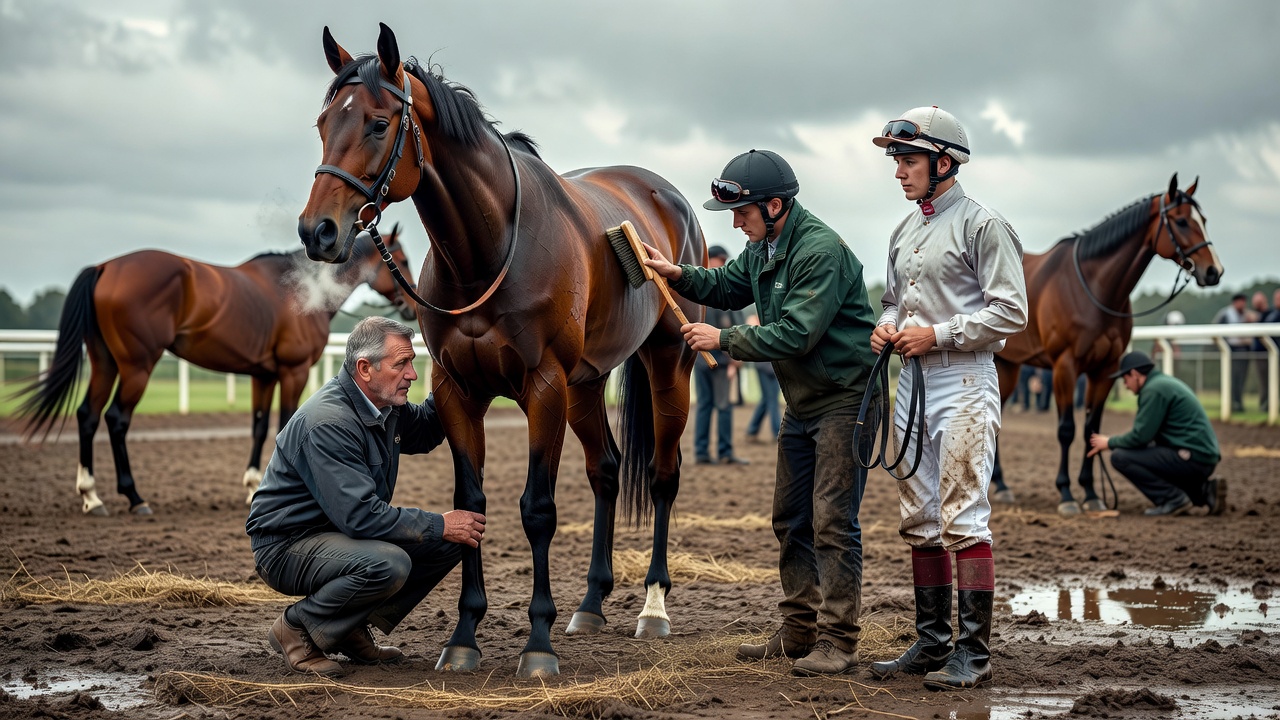
Effective horse racing tips often depend on careful observation of several consistent factors. Viewers gain an edge by focusing on details that reveal form, conditions, and team dynamics rather than relying on chance.
Reviewing Recent Form and Patterns
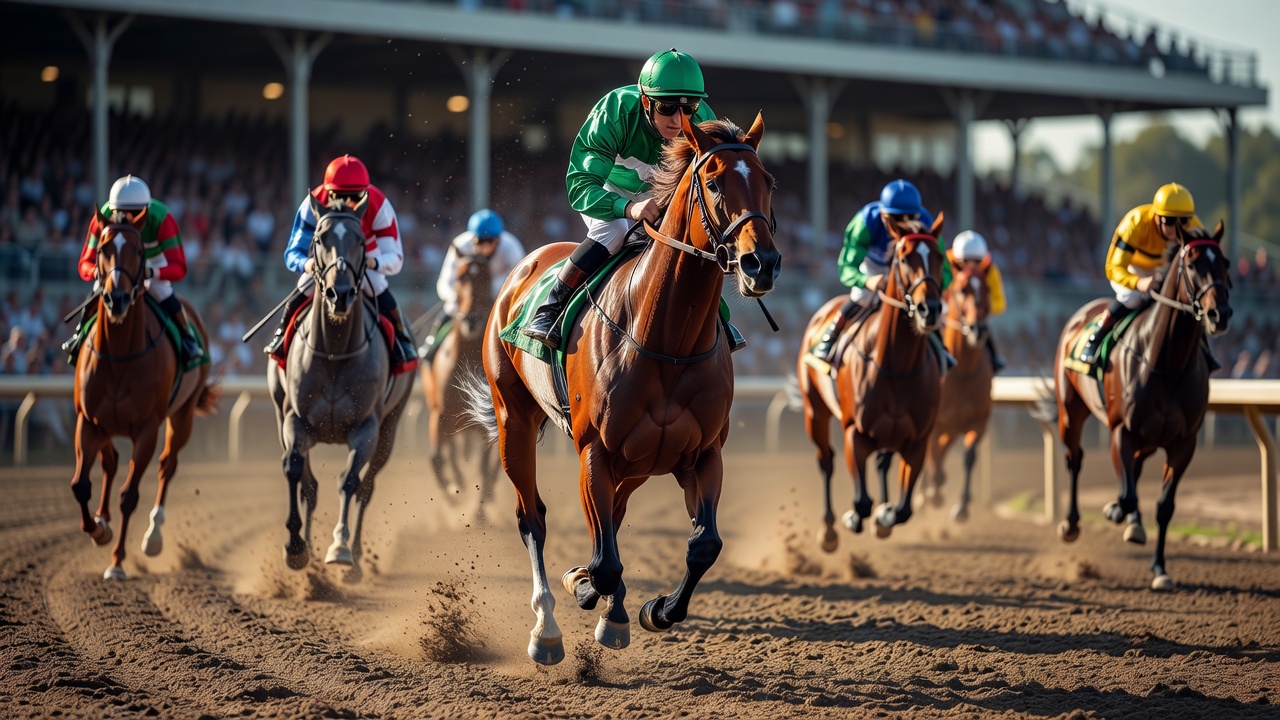
Studying a horse's recent results provides the clearest starting point. Examine the last four or five outings for trends in finishing positions, margins, and race types. Horses that improve steadily or maintain strong placings against similar competition often carry that momentum forward. Note any interruptions such as wide draws or slow starts that may have affected prior outcomes, as these can explain temporary dips without indicating a loss of ability.
Compare performances over matching distances and surfaces. Consistent data across several meetings builds confidence in predictions and helps separate genuine contenders from those benefiting from unusually soft opposition.
Assessing Ground Conditions and Track Layout
Track conditions influence every runner differently. Soft or heavy ground favors horses with proven stamina, while firmer surfaces reward speed. Always consult official going reports and recent weather changes, since overnight rain can shift the advantage quickly. Horses with proven records on the prevailing surface deserve extra attention.
Course features also matter. Some tracks include uphill sections that test endurance, while others reward early pace or late closers. Watching how a horse handled similar bends and straights in the past reveals its suitability for the current setup and reduces surprises on race day.
Evaluating Jockey and Trainer Influence
The combination of jockey and trainer adds another layer of insight. Experienced riders make tactical decisions that maximize a horse's strengths, whether holding position or timing a late challenge. Reviewing their statistics at the specific course or over the race distance highlights riders who perform above average in comparable situations.
Trainers who maintain high strike rates with recent winners usually prepare their runners thoroughly. Cross-referencing trainer form with jockey records often identifies pairings likely to deliver strong efforts. This information supports more balanced selections when combined with form and ground analysis.
By consistently monitoring these elements, followers develop clearer expectations and improve the quality of their race assessments over time.